
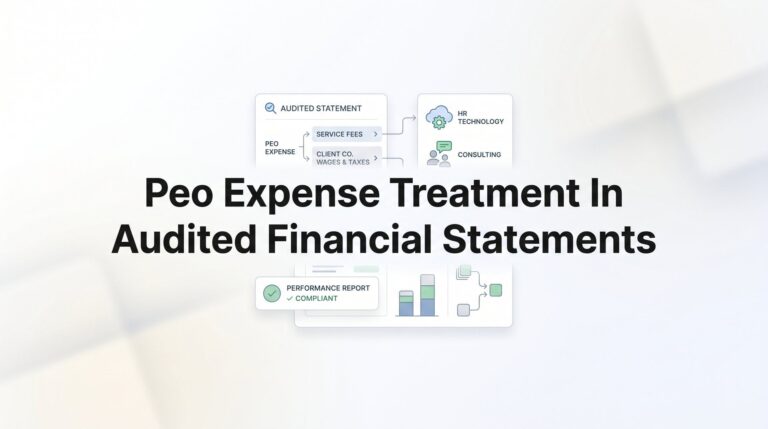
Understanding PEO expense treatment in audited financial statements is critical for business owners using professional employer organizations, as improper booking can delay audit opinions, trigger restatements, and raise red flags with lenders. This guide explains how the co-employment structure creates accounting complexity and what your general ledger needs to reflect to avoid costly audit complications.

Switching lawn care companies to a PEO can eliminate the HR burden that bogs down growing operations, and this practical step-by-step guide walks owners through the actual transition process — covering timing decisions, seasonal workforce considerations, and common pitfalls to avoid when moving from in-house payroll or a basic provider to a full PEO platform.
Fire protection companies with 25 employees face a costly middle ground where workers’ comp rates, OSHA compliance, and payroll complexity create real operational burdens. This guide outlines seven strategies for selecting a Fire Protection PEO for 25 Employees that understands industry-specific risk classifications, accurately assigns class codes, and delivers meaningful insurance savings through workforce pooling.
Understanding your PEO compliance audit rights in your contract is critical before something goes wrong with payroll taxes, workers’ comp rates, or unemployment filings. Most PEO service agreements favor the provider, leaving business owners without the contractual mechanisms needed to inspect records—this guide explains what audit provisions to look for and how to negotiate stronger protections.
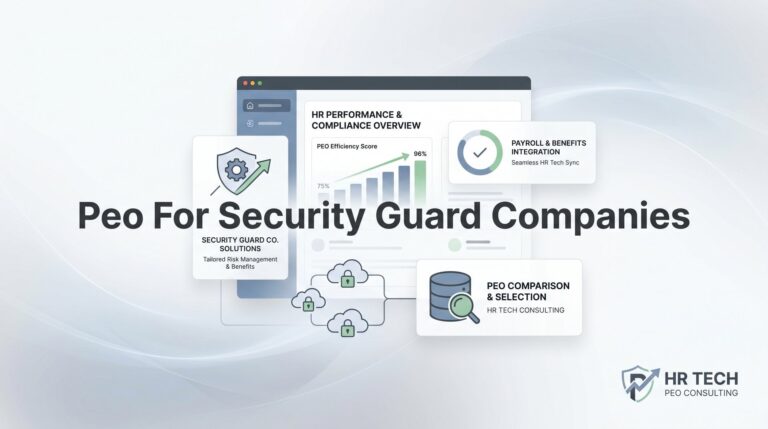
Finding the right PEO for security guard companies is critical, as most providers aren’t equipped to handle high-risk workers’ comp classifications, shift-based payroll complexity, or state licensing compliance. This guide evaluates the seven best PEOs specifically suited for private security firms of all sizes, comparing cost transparency, workers’ comp handling, and HR support for guard-heavy workforces.
A PEO renewal lands in the inbox late on a Thursday. The admin fee is up, the benefits package has shifted, and…

Switching landscaping companies to a PEO requires careful planning around seasonal workforce fluctuations, workers’ comp classifications, and transition timing to avoid operational disruption. This step-by-step guide walks landscaping operators through the practical sequence of a PEO transition, covering the industry-specific details—like seasonal headcount pricing and class codes—that generic guides overlook.
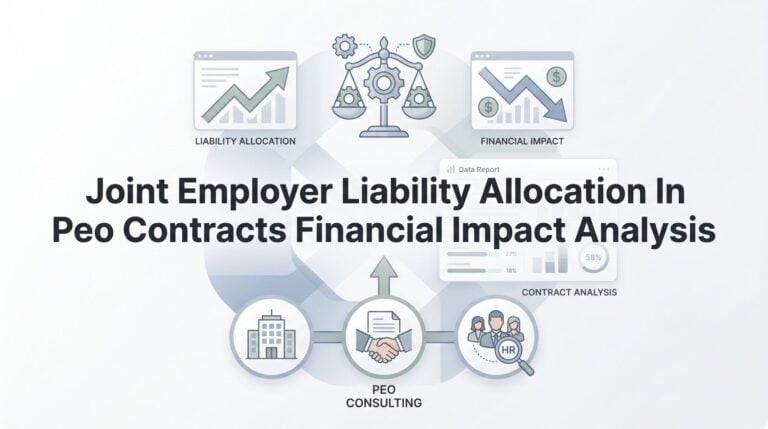
Understanding joint employer liability allocation in PEO contracts financial impact analysis reveals a costly blind spot for business owners: the indemnification clauses buried in PEO agreements often shift significant legal and financial exposure—including wage-and-hour claims, defense costs, and regulatory penalties—back to the client. Knowing exactly what your contract assigns to you versus your PEO can mean the difference between manageable risk and devastating unexpected liability.
Fire protection companies with 100 employees face a critical growth stage where managing workers’ comp, OSHA compliance, and multi-trade crews demands specialized HR support. This guide outlines seven targeted strategies for selecting a Fire Protection PEO for 100 Employees that addresses high-risk classifications, administrative burden, and cost management—helping mid-sized contractors avoid the expensive mistakes that come with choosing the wrong PEO partner.
PEO cancellation penalties explained here cover the real costs business owners face when exiting a PEO contract early, including penalty types, calculation methods, and timing factors that affect your financial exposure. Whether you’re currently locked into an agreement or evaluating providers, understanding these fees before you sign can save thousands in unexpected termination costs.
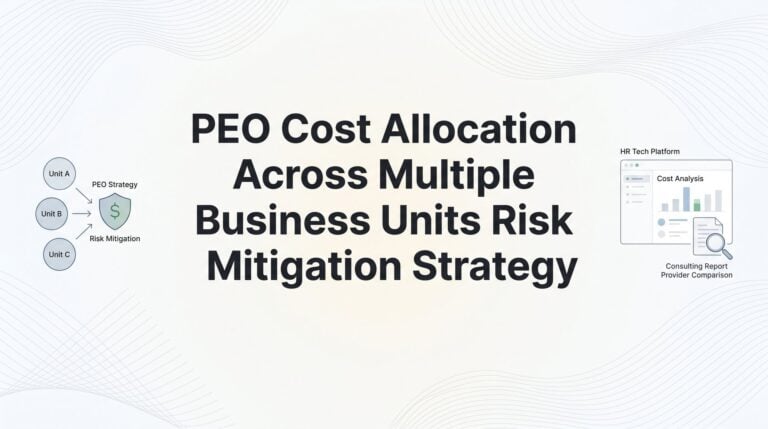
Accurately allocating PEO costs across multiple business units requires a structured risk mitigation strategy that goes beyond simple accounting splits. This guide explains how to break down PEO invoices by division, workers’ comp class codes, and geographic locations to maintain profitability visibility, prevent compliance exposure, and avoid payroll tax reporting mismatches that can trigger costly audits.
Choosing the right Restoration PEO for 25 employees requires careful evaluation, as this workforce size creates unique HR and workers’ comp complexities that generic providers often mishandle. This guide outlines seven targeted strategies to help restoration company owners select a PEO that accurately classifies field crews, prices high-risk comp codes fairly, and delivers benefits designed for hands-on remediation workers rather than office environments.