
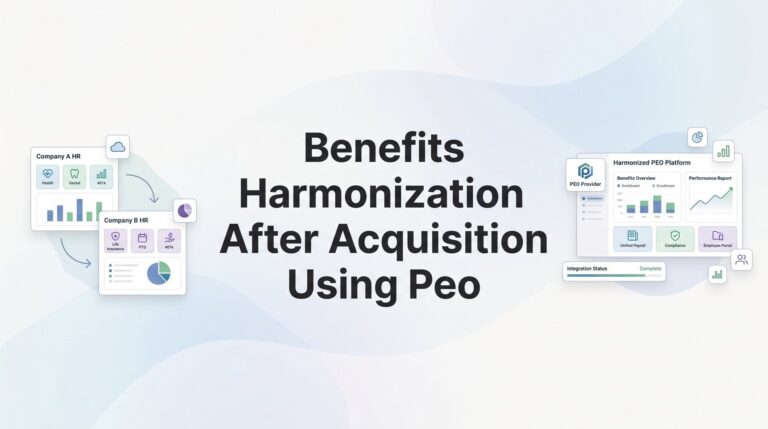
Benefits harmonization after acquisition using a PEO offers a practical path to consolidating two separate benefits structures quickly while managing compliance complexity and retaining key talent. This guide walks through how a PEO can unify health plans, retirement matches, and PTO policies across a newly combined workforce—and where the approach works best versus when alternative integration strategies make more sense.
Switching pool service companies to a PEO can simplify payroll, workers’ comp, and HR compliance for field-based operations, but the transition requires careful planning around class codes, experience modification rates, and seasonal staffing. This step-by-step guide walks pool service business owners through exactly what to expect before, during, and after making the switch.
Fire protection contractors face unique payroll challenges—high-risk workers’ comp classifications, certified payroll requirements, and multi-state compliance—that basic payroll software can’t fully address. This guide breaks down the Fire Protection PEO vs Payroll Company decision by comparing seven top solutions based on headcount, prevailing wage work, workers’ comp exposure, and how much employer liability you want to retain.
Understanding the PEO cost structure for professional services firms is critical because pricing models—percentage of payroll versus flat per-employee fees—can create dramatic cost differences for law practices, accounting firms, and consultancies that carry high salaries but low workers’ comp exposure. This guide breaks down exactly what drives your PEO price and where professional services firms are most likely overpaying.
Switching pest control companies to a PEO requires careful planning around industry-specific challenges like workers’ comp experience modifiers, pesticide applicator licensing records, and continuous coverage during transition. This step-by-step guide walks pest control operators through the exact process, covering the operational details that generic PEO guides overlook.
Discover the top fire protection PEO providers evaluated specifically for high-risk class codes, OSHA compliance, certified payroll, and field crew management. This guide identifies seven PEO solutions built to handle the unique complexity of fire protection contractors, helping you find the right fit without wasting time on providers that quietly back away from your industry’s risk profile.
A PEO impact on working capital management financial impact analysis reveals how payroll funding cycles, benefits reserves, and tax remittances directly affect short-term liquidity for businesses with 20–150 employees. Beyond HR convenience, PEO arrangements reshape when and how cash leaves your accounts, making the balance sheet effect a critical—yet often overlooked—factor in any PEO evaluation.
Managing PEO catastrophic claim exposure requires a deliberate mitigation and compliance framework because co-employment structures create ambiguous liability when seven-figure workers’ comp claims arise. This operational guide helps businesses in high-risk industries understand how to close coverage gaps, clarify contractual responsibilities, and build proactive safety protocols that protect against catastrophic losses before an incident occurs.
Small fire protection companies with just five employees face unique HR and compliance challenges—from high-risk NCCI classification codes to costly workers’ comp rates—that most PEOs aren’t built to address. This guide outlines seven practical strategies for finding a Fire Protection PEO for 5 Employees that delivers real cost savings and compliance support without the overhead designed for much larger operations.
Switching flooring companies to a PEO requires careful planning around industry-specific challenges like workers’ comp experience modification rates, seasonal workforce fluctuations, and W-2/1099 compliance complexities. This step-by-step guide walks flooring company owners through the actual transition process, covering the critical details most generic PEO guides overlook to help you execute the move cleanly and avoid costly mistakes.
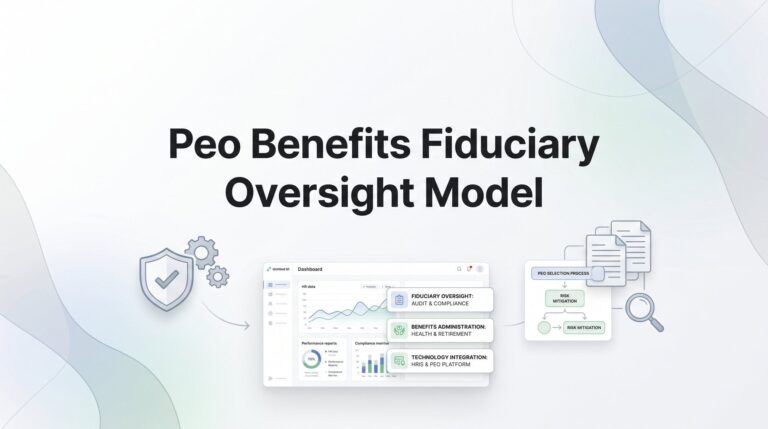
The PEO benefits fiduciary oversight model determines who holds legal responsibility for employee benefit plans in a co-employment arrangement — and most business owners don’t realize they may still carry significant ERISA liability. This guide breaks down how fiduciary responsibility actually allocates between PEOs and employers, covering health claims, 401(k) fees, and ACA compliance gaps that can create unexpected legal exposure.
Fire protection companies with 15 employees face unique HR and compliance challenges that most generic PEOs aren’t equipped to handle. This guide outlines seven targeted strategies for selecting a Fire Protection PEO for 15 Employees that accurately reflects your risk profile, manages field labor complexities, and fills the gap between small-business limitations and serious regulatory exposure — without overpaying for coverage that doesn’t fit your operation.