
Before signing with a PEO, plumbing contractors must carefully review the plumbing PEO cancellation policy to avoid costly surprises like lengthy lock-in periods, 90-day notice requirements, and substantial early termination fees that can trap you in unfavorable agreements. Understanding these cancellation terms upfront—including renewal dates, notice periods, and exit penalties—protects your business from being stuck with poor service or inflated workers’ comp rates when you need flexibility…
Before signing a PEO contract, roofing contractors must negotiate terms that reflect their unique high-risk industry, not generic office-worker agreements. Standard PEO contracts ignore critical roofing-specific factors like high workers’ comp codes (5551/5552), seasonal workforce fluctuations, and subcontractor classification issues—creating negotiable leverage points that can save you significant costs and liability exposure if you know which provisions to challenge.
HVAC contractors face deliberately confusing PEO pricing structures that range from flat per-employee fees to percentage-of-payroll models, often buried in complex proposals that don’t account for seasonal workforce fluctuations, high workers’ comp exposure, or multi-state operations. This guide breaks down actual HVAC PEO pricing and cost structures, explaining what drives the numbers and how to evaluate quotes when your crew size can double during peak season.
HVAC contractors facing workers comp costs of 8-15% of payroll often consider HVAC PEO workers compensation programs as a solution, but the reality is more complex than sales pitches suggest. This guide examines how these programs actually work for contractors, including the true costs, pooled risk implications, and whether pay-as-you-go premiums deliver the promised cash flow relief and rate savings.
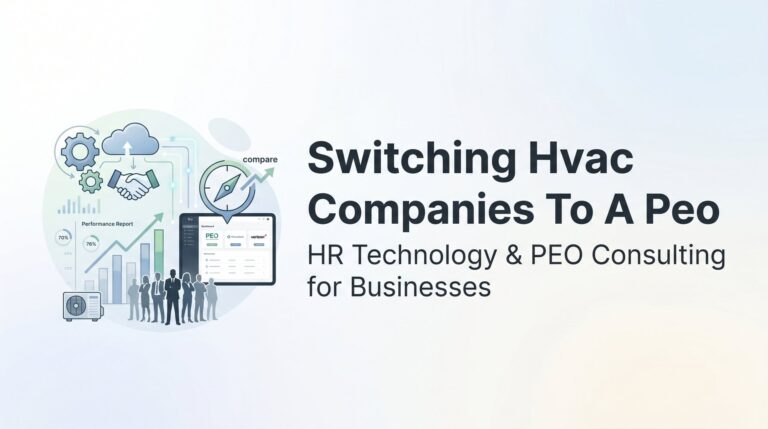
Switching HVAC companies to a PEO requires careful planning beyond basic HR transitions, especially with field technicians, varying certifications, and seasonal workforce demands. This practical guide covers the complete transition timeline, essential paperwork, team communications, and common pitfalls specific to mechanical contractors—whether you’re moving from in-house management or changing PEO providers.
HVAC contractors often sign PEO contracts during crises without understanding critical terms like minimum billing requirements, workers’ comp claims control, and exit penalties. This guide identifies the specific HVAC PEO contract terms you must negotiate—including seasonal staffing flexibility, injury claims authority, and termination conditions—before committing to a partnership that could lock you into unfavorable obligations for years.
HVAC PEO compliance support typically covers baseline HR requirements like tax filings and workers’ comp, but often falls short on industry-specific needs like EPA Section 608 certifications, OSHA rooftop safety protocols, and multi-state mechanical licensing. Understanding exactly what your PEO handles versus what remains your responsibility helps you avoid costly compliance gaps while ensuring your technicians meet the specialized regulatory requirements that general HR providers frequently…
Landscaping companies face unique payroll challenges from seasonal staffing, high workers’ comp exposure, and fluctuating crew sizes across multiple job sites. This guide compares the top PEOs and payroll services for 2026, helping landscaping business owners determine whether a full-service PEO with risk transfer or a standalone payroll solution better fits their operational needs and budget.
Landscaping companies choosing between a PEO vs in-house HR face unique challenges including workers’ comp risks, seasonal turnover, and multi-state compliance issues that office-based businesses don’t encounter. This guide examines seven critical decision factors specific to landscaping operations—from crew size and equipment risks to growth plans—helping owners determine which HR model aligns with their operational reality rather than applying generic advice that ignores the industry’s dist…

Landscaping companies face unique HR challenges including seasonal workforce changes, high workers’ comp risks, and field worker compliance issues that generic PEOs can’t address. This guide evaluates the top landscaping PEO providers in 2026 based on industry-specific criteria like workers’ comp expertise for outdoor labor, seasonal hiring flexibility, and field-friendly onboarding tools that accommodate the green industry’s operational demands.

Finding the best PEO for lawn care companies requires understanding seasonal workforce challenges, workers’ compensation complexities, and fluctuating payroll needs unique to landscaping operations. This comprehensive guide evaluates seven PEO providers specifically suited for lawn care businesses, comparing their ability to handle seasonal crews, manage high-risk workers’ comp exposure, and offer flexible pricing that adapts to your headcount changes throughout the year.
Finding the right lawn care PEO for 15 employees requires a provider who understands seasonal workforce fluctuations, equipment-related injury risks, and field crew compliance challenges specific to outdoor services operations. This guide outlines seven strategic moves to help mid-sized lawn care businesses select a PEO partner that addresses industry-specific needs rather than treating your operation like a generic office environment, ensuring you get appropriate workers’ comp coverage and H…