
Flooring contractors with five employees face disproportionate HR complexity—workers’ comp claims, multi-state licensing, and prevailing wage requirements—without the scale to justify dedicated HR staff. This guide presents seven targeted strategies to help small flooring companies evaluate whether a flooring PEO for 5 employees makes financial sense, identify which PEO features genuinely matter for trade-specific operations, and avoid overpaying for enterprise solutions designed for office e…
Flooring companies with 15 employees face unique HR challenges including high workers’ comp exposure, seasonal workforce fluctuations, and complex W-2 versus subcontractor classifications that generic solutions can’t address. This guide presents seven targeted strategies to help flooring businesses evaluate PEO partners at this critical growth stage, focusing on what actually matters for installation-based operations rather than just premium costs.
Flooring companies with 25 employees face unique HR challenges including high workers’ comp exposure, seasonal staffing needs, and competitive benefits requirements that are too complex for owner management but don’t justify a full HR department. This guide provides seven targeted strategies for selecting a flooring PEO for 25 employees that addresses industry-specific needs like installation safety risks, project-based workforce fluctuations, and proper classification of workers versus subco…
When your flooring business reaches 50 employees with installers, showroom staff, and warehouse workers across multiple states, you need specialized HR infrastructure without hiring a full-time director. This guide reveals seven essential strategies for choosing a Flooring PEO for 50 Employees that understands industry-specific challenges like silica dust regulations, installer classification, seasonal revenue fluctuations, and workers’ comp structures that protect your experience modificatio…
Flooring companies reaching 100 employees face unique workforce management challenges including multi-state compliance, escalating workers’ comp costs, and benefits administration complexity. This guide provides seven targeted strategies for selecting a flooring PEO for 100 employees that understands industry-specific needs like seasonal staffing fluctuations, installation-related safety risks, and multi-site coordination—helping mid-sized contractors avoid generic solutions that miss critica…
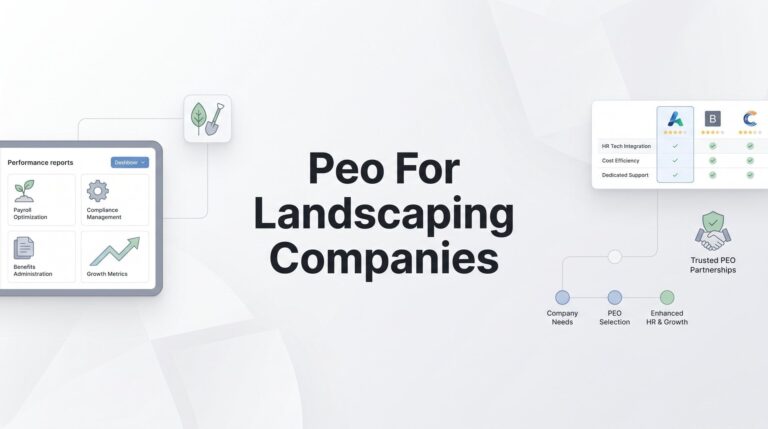
Finding the right PEO for landscaping companies means working with providers who understand seasonal workforce fluctuations, multi-site crew management, and industry-specific workers’ comp rates. This guide reviews seven PEOs evaluated specifically for their ability to handle outdoor labor classifications, offer flexible pricing during off-season headcount changes, and provide operational support for field-based teams without the rigid structures designed for office environments.
Finding the best PEO for landscaping companies requires providers who understand seasonal workforce challenges, high-risk workers’ compensation classifications, and mobile crew management across multiple job sites. This guide evaluates seven PEOs specifically equipped to handle field-based operations, offering competitive workers’ comp programs, mobile-friendly platforms, and compliance support for the unique demands of outdoor service businesses.
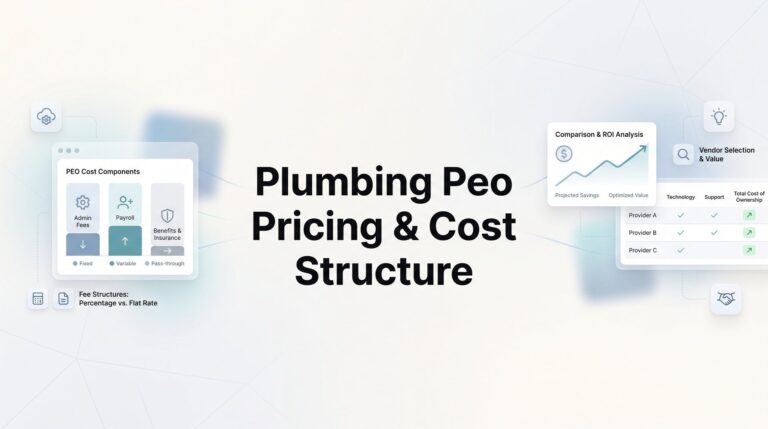
Plumbing contractors face unique challenges when evaluating plumbing PEO pricing and cost structure, as standard quotes often miss critical factors like workers’ comp class codes, seasonal headcount fluctuations, and high-risk job site conditions. This guide breaks down the real cost drivers behind PEO pricing for plumbing operations, helping contractors understand what they’ll actually pay beyond initial quotes and evaluate whether a PEO partnership makes financial sense for their specific b…
Plumbing contractors paying 8-15% of payroll for workers comp often consider joining a Plumbing PEO Workers Compensation Program for rate relief, but these programs aren’t one-size-fits-all solutions. This guide explains how PEO workers comp programs actually work, what financial changes occur when you join a larger risk pool, and helps you determine whether switching from standalone coverage makes sense for your specific business situation.
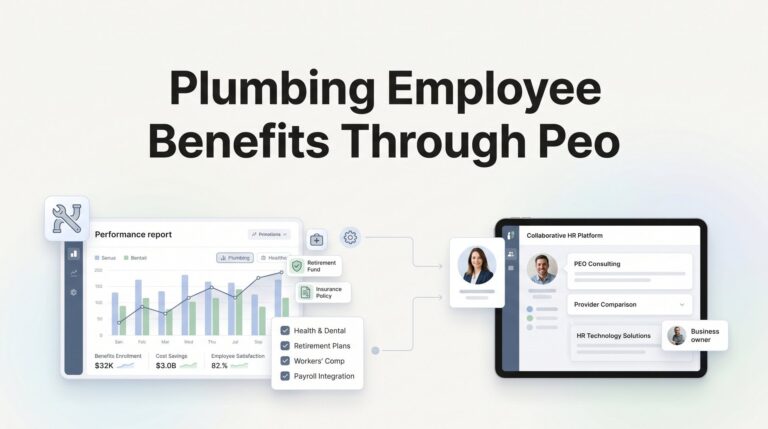
Plumbing contractors struggle to compete for skilled workers against larger employers offering comprehensive benefits packages, while facing insurance quotes that don’t account for trade-specific risks. Plumbing employee benefits through PEO arrangements can provide access to better group rates and simplified administration by pooling smaller contractors together, though success depends on understanding both the genuine advantages and potential limitations before committing to a provider.
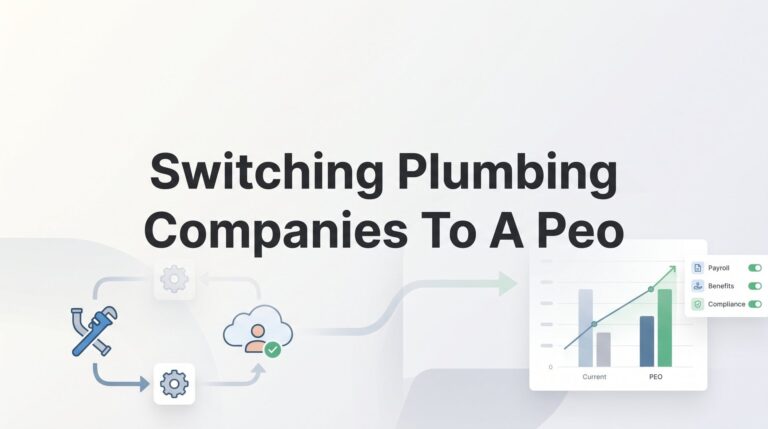
Switching plumbing companies to a PEO requires careful planning to avoid payroll disruptions, workers’ comp coverage gaps, and licensing complications during the transition. This practical guide walks plumbing business owners through the critical steps to successfully move to a Professional Employer Organization while maintaining active job sites, ensuring continuous employee coverage, updating contractor certifications, and preventing compliance issues that could jeopardize operations.
Plumbing contractors often rush into PEO agreements without scrutinizing plumbing PEO contract terms that directly affect their bottom line and operational flexibility. Unlike standard HR outsourcing deals, plumbing businesses require specialized contract provisions addressing multiple workers’ comp classification codes, seasonal workforce fluctuations, apprenticeship programs, and prevailing wage requirements—making careful negotiation essential before signing to avoid locked-in unfavorable …