

Lawn care companies need specialized PEO providers that understand seasonal staffing, high workers’ comp risks from equipment use, and multi-site crew management. This guide reviews the top lawn care PEO providers for 2026, comparing their workers’ compensation handling, seasonal workforce flexibility, and pricing models designed specifically for landscaping businesses rather than generic HR solutions.
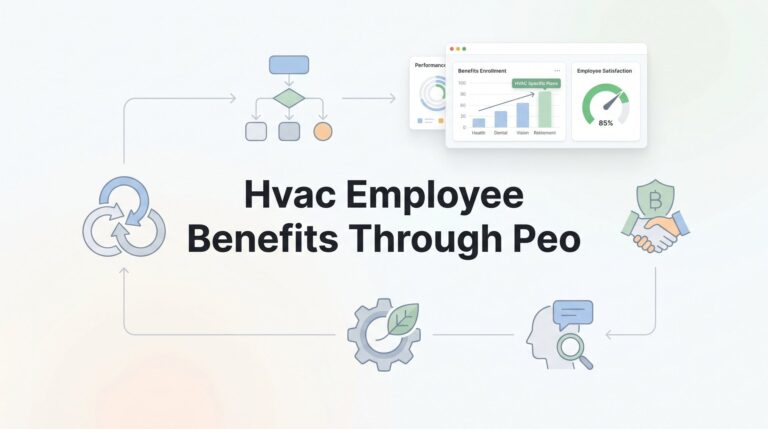
HVAC contractors with fewer than 50 employees struggle to compete for skilled technicians when offering employee benefits, often facing high premiums and limited options in the small-group insurance market. PEOs address this by pooling employees across multiple companies to access large-group insurance rates, potentially transforming an HVAC contractor’s ability to offer competitive health coverage and other benefits that help attract and retain experienced technicians.
HVAC contractors face unique payroll challenges including seasonal staffing fluctuations, multi-state crews, and prevailing wage requirements that standard solutions can’t handle. While HVAC PEO payroll services are marketed as comprehensive solutions, many platforms lack critical features like certified payroll tracking, charge termination fees for seasonal layoffs, or reject companies with higher workers’ comp mods—making it essential to understand which providers actually meet the specific…
Switching roofing companies to a PEO requires careful planning to avoid payroll disruptions, workers’ comp coverage gaps, and crew confusion during the transition. This practical guide addresses roofing-specific challenges like high-risk classification codes, seasonal workforce management, and maintaining your experience mod rate while transitioning to a PEO partner without operational chaos.
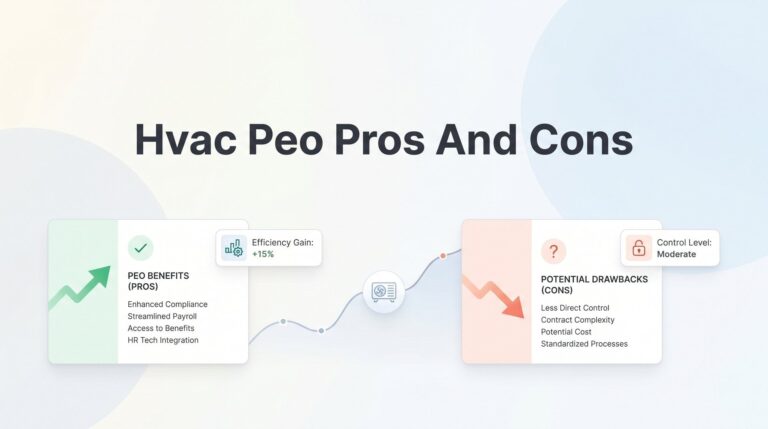
HVAC contractors face mounting HR burdens from seasonal hiring, workers’ comp costs, and multi-state compliance challenges. This practical guide examines HVAC PEO pros and cons to help you determine whether a Professional Employer Organization will genuinely solve your administrative headaches or create new complications—based on your company size, growth trajectory, and specific operational pain points rather than generic sales promises.
Before signing with a PEO, residential contractors must understand cancellation policies including notice periods, exit costs, and workers comp claim transitions. Active job sites, ongoing claims under the PEO’s master policy, and your experience modification rating create operational challenges during termination that require careful planning to avoid coverage gaps and financial penalties.
Residential construction PEO pricing varies dramatically—from flat per-employee fees to percentage-of-payroll models—but most quotes obscure the real cost drivers like workers’ comp risk differences between trade roles. This guide breaks down the actual pricing structures, explains why your framing carpenters cost significantly more to insure than office staff, and reveals the hidden fees that make apples-to-apples PEO comparisons nearly impossible without understanding residential constructi…
Residential construction companies face uniquely complex workers compensation challenges due to diverse crew risk profiles and fluctuating experience modification rates. A Residential Construction PEO Workers Compensation Program can help manage these costs and liabilities, but builders need to understand how these arrangements actually work, what hidden costs exist beyond quoted rates, and when co-employment makes strategic sense for their specific operation.
Commercial construction contractors face some of the highest workers compensation costs in the industry, and PEO workers compensation programs are often marketed as a cost-saving solution through risk pooling and master policies. However, a Commercial Construction PEO Workers Compensation Program isn’t automatically the right fit—success depends on understanding how these programs handle multi-trade class codes, claims management, and general contractor certificate requirements in real-world …
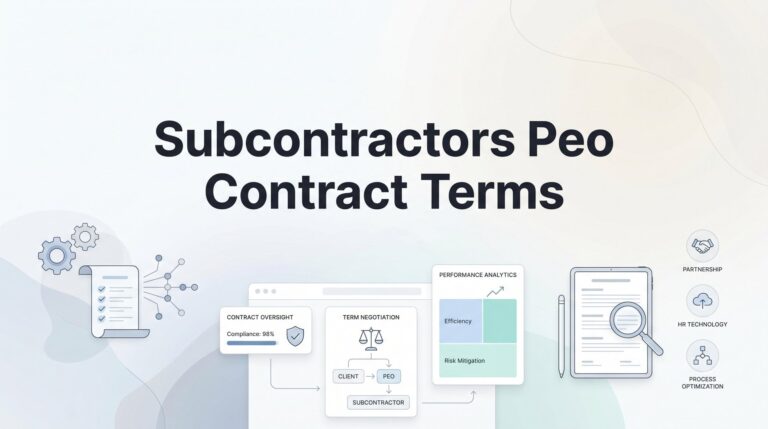
Before signing a PEO agreement, business owners using subcontractors must carefully review subcontractors PEO contract terms to avoid costly surprises. Most PEO contracts exclude 1099 independent contractors from coverage, leaving gaps in workers’ comp protection, creating potential misclassification liability, and requiring specific notification procedures for workforce changes that could expose your business to unexpected legal and financial risks.
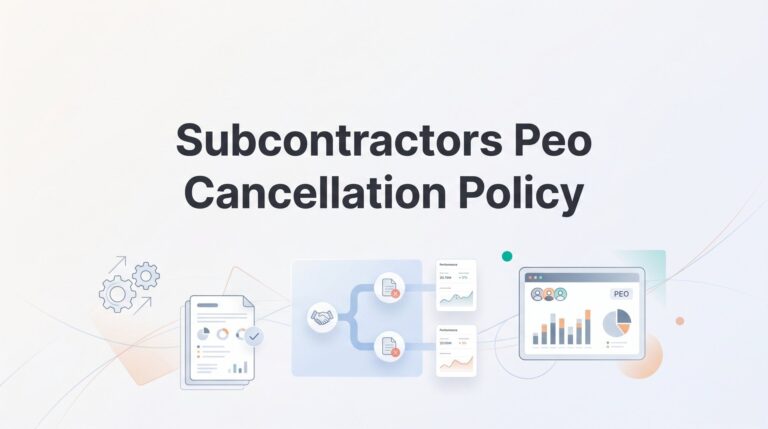
Many business owners don’t realize that hiring 1099 subcontractors can trigger a subcontractors PEO cancellation policy review or even contract termination. PEOs assume legal liability for W-2 employees, so when your workforce composition shifts toward independent contractors, it creates unpriced risk exposure that may violate your agreement terms. Understanding these workforce ratio thresholds and documentation requirements is essential before bringing subcontractors onto projects while main…
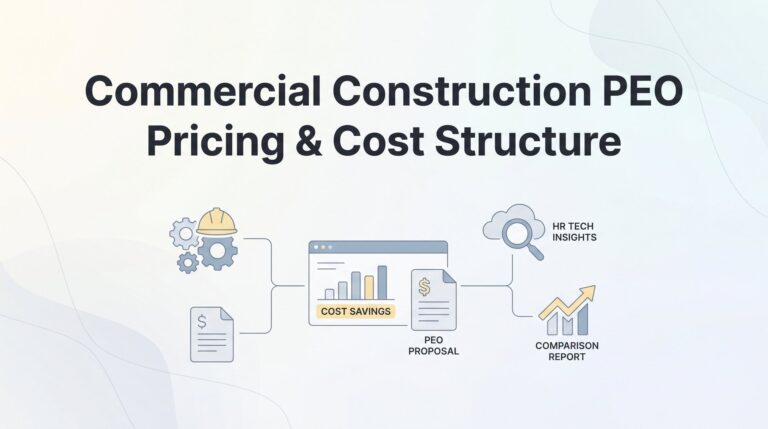
Commercial construction PEO pricing is intentionally opaque, with providers quoting percentage ranges that obscure real costs and using inconsistent bundling methods that make comparisons difficult. Your actual expenses depend on construction-specific factors like multiple workers’ comp class codes per employee, seasonal workforce fluctuations, and year-end audit structures during peak project periods—complexities that generic pricing guides don’t address and that most PEOs use to their advan…