
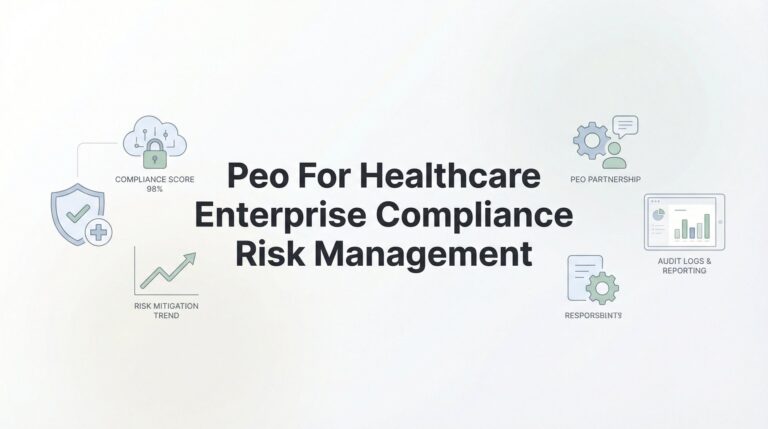
Healthcare enterprises face a unique compliance challenge where HIPAA, state licensing, CMS requirements, and labor regulations intersect in ways most industries never encounter. A PEO for healthcare enterprise compliance risk management must do more than handle basic HR—it needs to address the specific regulatory gauntlet of clinical licensing, credentialing, continuing education tracking, and industry-specific staffing ratios while avoiding co-employment complications that could create new …
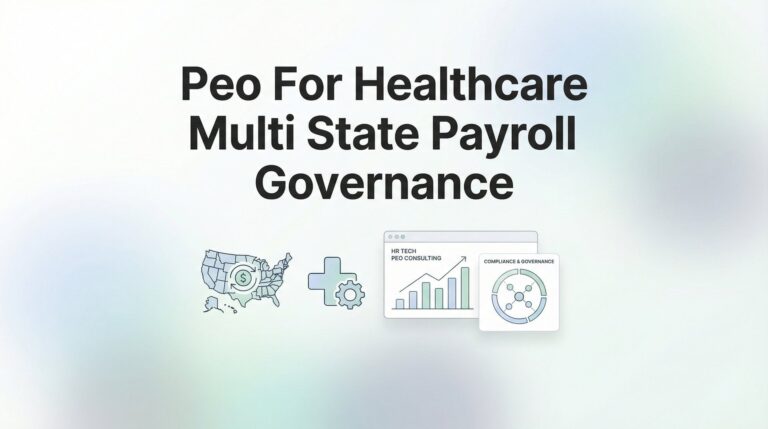
Healthcare organizations with employees working across state lines face unique payroll compliance challenges, from tracking traveling nurses’ multi-state tax obligations to managing credential-based pay structures under varying state wage laws. A PEO for healthcare multi-state payroll governance helps medical facilities navigate complex withholding requirements, overtime rules, and licensing considerations that make healthcare payroll particularly vulnerable to costly compliance errors when s…
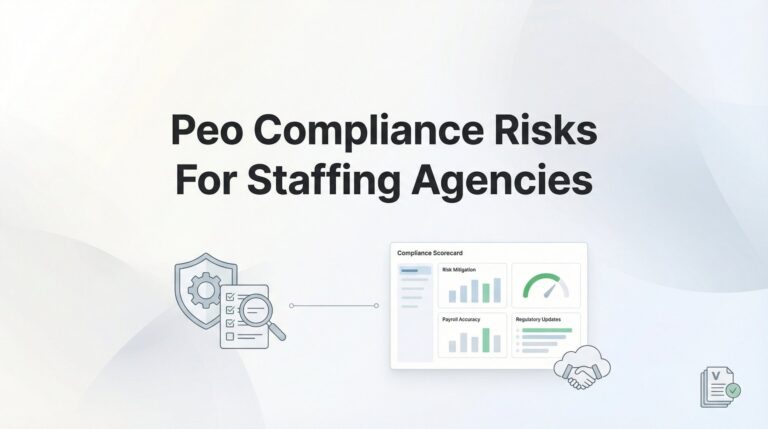
Staffing agencies face unique PEO compliance risks when layering co-employment relationships onto their already complex temporary placement model. This guide identifies seven critical compliance areas—from workers’ comp audits to ACA reporting confusion—where peo compliance risks for staffing agencies create friction points, and provides practical strategies to protect your firm before signing a PEO agreement.
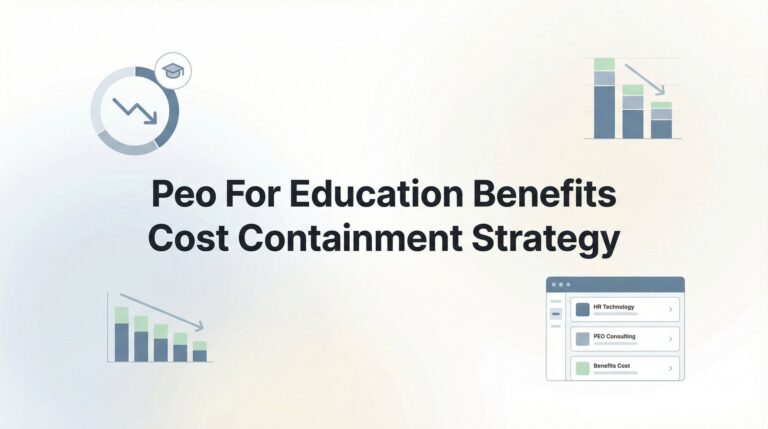
Education benefits like tuition reimbursement and student loan assistance are rapidly expanding budget line items without established cost controls. This guide shows how to build a PEO for education benefits cost containment strategy by auditing current spending, negotiating better terms, designing high-utilization programs that prevent budget overruns, and implementing tracking systems to measure ROI—helping businesses offer competitive learning benefits while maintaining predictable costs.
A PEO for technology enterprise compliance risk management addresses the unique challenges fast-growing tech companies face when scaling beyond 200 employees across multiple states—from worker classification issues and equity compensation tracking to multi-state employment law compliance and data privacy requirements. This guide examines whether PEOs actually solve the specific compliance exposures tech enterprises encounter, or if you’re investing in the wrong solution for problems like cont…
Logistics companies facing high workers’ comp premiums, multi-state compliance challenges, and seasonal workforce fluctuations can significantly reduce expenses through specialized Professional Employer Organizations. This guide reviews eight PEO solutions specifically designed for labor cost optimization using PEO for logistics companies, focusing on providers who understand the unique needs of warehouse workers, drivers, and dock crews rather than generic platforms that treat transportation…
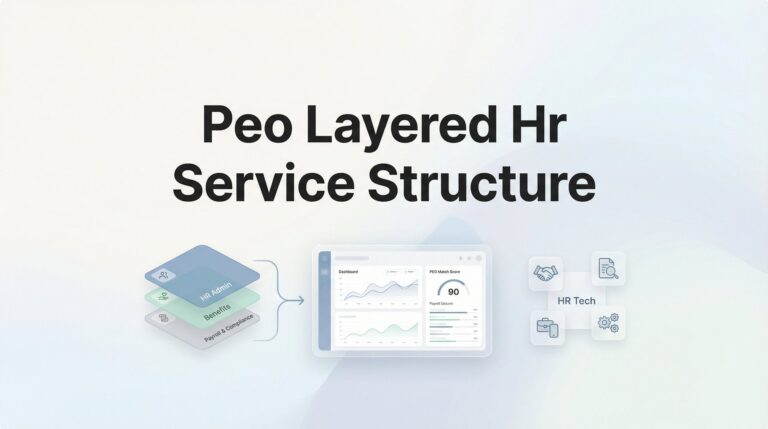
PEOs structure their services in distinct tiers—foundation, compliance, benefits, and strategic HR—but package and price these layers dramatically differently, making direct comparisons nearly impossible. Understanding the PEO layered HR service structure reveals how providers use bundling, add-on fees, and percentage markups to appear competitive while protecting margins, transforming your evaluation from guesswork into an informed purchasing decision that identifies the true cost and value …
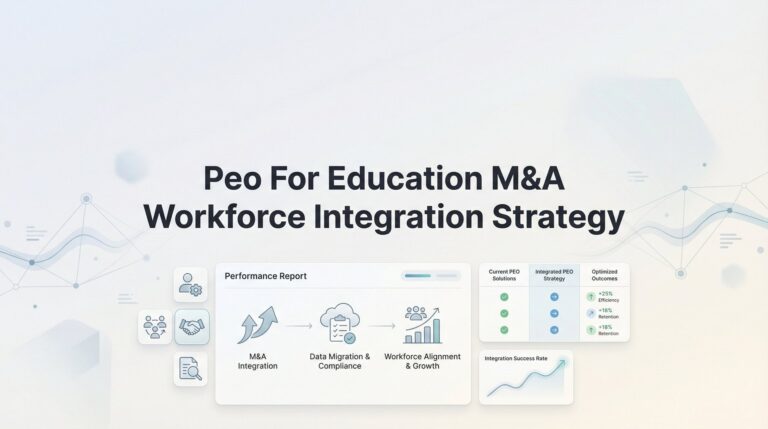
Education M&A deals face unique workforce integration challenges including inflexible academic calendars, union contracts, and varying state compliance requirements that standard corporate merger strategies don’t address. This guide presents seven targeted PEO strategies for education M&A workforce integration that tackle sector-specific friction points—from harmonizing teacher compensation structures to maintaining accreditation—helping charter networks, EdTech companies, and education servi…
Most business owners struggle to properly measure the financial impact of PEO workers’ comp because it requires evaluating a fundamentally different risk structure than traditional policies. This step-by-step guide shows you how to conduct a thorough PEO workers’ comp financial impact assessment by establishing your current cost baseline, identifying hidden cost drivers, evaluating PEO-specific variables like pooled risk pricing and claims management, and building an accurate projection model…
Many businesses assume they must choose between their trusted benefits broker and a PEO’s master health plan, but hybrid arrangements allow you to keep both when structured correctly. Understanding PEO plus benefits broker alignment helps you navigate this decision strategically—preserving valuable broker relationships while gaining PEO efficiencies in payroll and compliance, though neither party typically promotes these options due to conflicting financial incentives.
Automotive enterprises face extreme regulatory complexity across OSHA safety standards, DOT fleet requirements, EPA protocols, and multi-state employment law—where single violations can cost $15,000 or trigger six-figure settlements. This guide identifies the seven best PEO for automotive enterprise compliance risk management solutions in 2026, helping dealerships, manufacturers, and fleet operators transform compliance from existential risk into manageable infrastructure through specialized …
Most business owners using a PEO default to bundled pay-as-you-go workers comp financing, but that’s rarely the most cost-effective option. This guide reveals seven PEO workers comp alternative financing strategies that PEOs don’t typically advertise upfront, helping you match your financing structure to your cash flow needs, risk profile, and loss history—potentially saving thousands annually if you know what to negotiate for.