

Tree service companies face unique HR challenges—from NCCI arborist classifications and high workers’ comp premiums to multi-state seasonal crews—making the Tree Service PEO vs Payroll Company decision critical. This guide compares seven solutions built for the real complexities of tree care, helping owners choose the right setup based on crew size, risk profile, and growth stage to avoid costly compliance gaps and overpaid premiums.
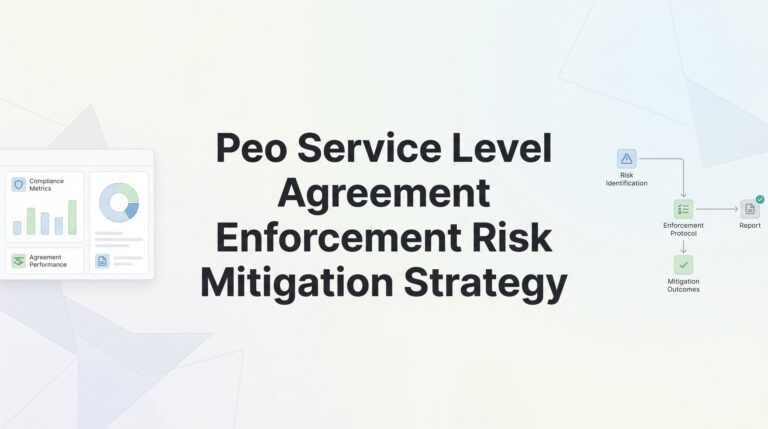
A PEO service level agreement is only valuable if you can enforce it — this guide covers the practical peo service level agreement enforcement risk mitigation strategy every business owner needs, including tracking systems, documentation practices, and escalation tactics that create real leverage before payroll errors, compliance failures, or workers’ comp gaps cost you money.

Understanding PEO dispute resolution provisions explained as a risk mitigation strategy helps business owners avoid costly surprises when billing errors, workers’ comp misclassifications, or contract disagreements arise. This guide breaks down the specific contractual clauses that determine your leverage, resolution timeline, and legal rights before a dispute catches you unprepared.
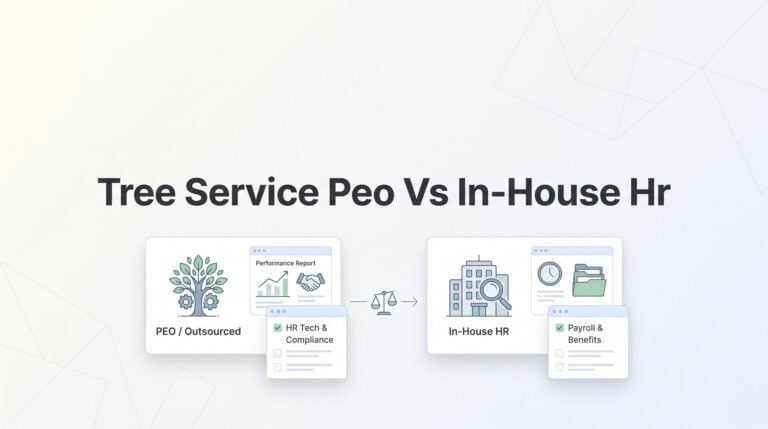
Tree service companies face a unique HR challenge—high-risk workers comp classifications, seasonal staffing, and strict compliance demands that generic solutions ignore. This guide evaluates the top PEO providers for arborist and tree care businesses, helping owners decide between tree service PEO vs in-house HR by comparing workers comp handling, safety program support, and seasonal workforce flexibility across providers that actually understand field service operations.
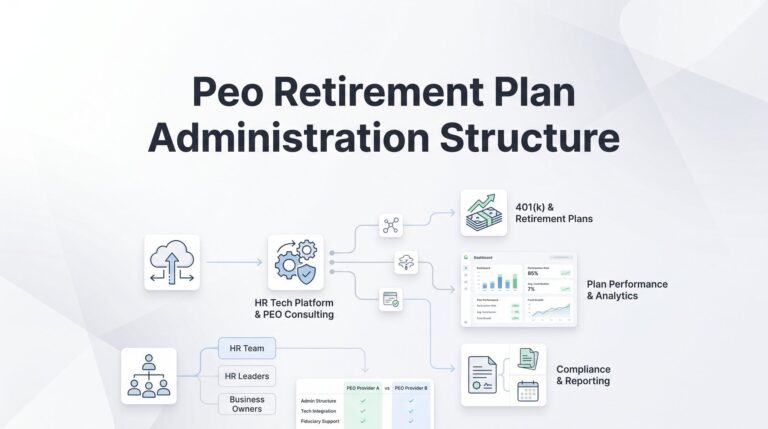
Understanding the PEO retirement plan administration structure is critical for business owners before signing any co-employment contract. This guide breaks down who sponsors the plan, how fiduciary responsibility is assigned, what employees actually pay in fees, and what happens to retirement balances if you ever leave the PEO — giving you the knowledge to evaluate whether a PEO’s retirement offering genuinely serves your workforce or quietly costs more than it should.

Reducing your experience modification factor using a PEO compliance framework goes beyond preventing injuries — it involves precise payroll classification, proactive claims management, and structured return-to-work programs that directly lower your EMR. Business owners in high-exposure industries like construction and manufacturing can save tens of thousands annually in workers’ comp premiums by leveraging a PEO’s compliance infrastructure to systematically address the operational factors tha…

General contractors with 50 employees face unique HR, compliance, and workers’ comp challenges that a well-structured PEO partnership can effectively address. This guide covers seven targeted strategies to help 50-employee general contracting firms maximize their General Contractors PEO for 50 Employees relationship—reducing risk exposure, controlling costs, and gaining operational efficiency without the overhead of a full in-house HR department.
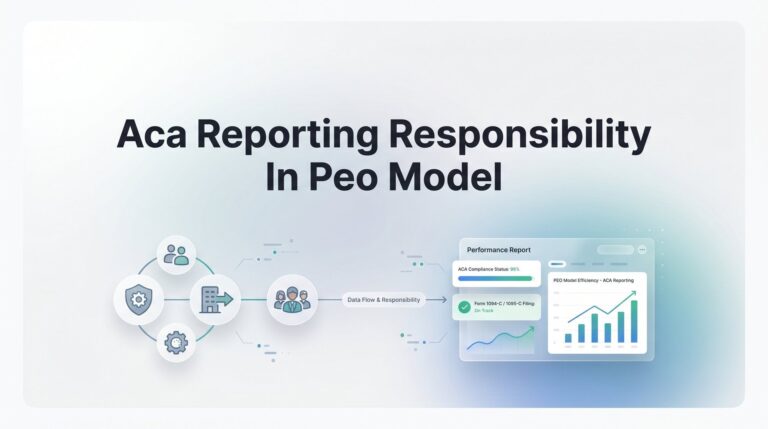
Understanding ACA reporting responsibility in the PEO model is critical for Applicable Large Employers, as co-employment creates a complex split between who holds employee data and who bears the legal filing obligation. This guide clarifies exactly which entity files the 1094-C and 1095-C forms under different PEO arrangements, helping businesses avoid costly IRS penalties from reporting gaps or miscommunication with their PEO provider.
A rising experience modification rate can trigger PEO repricing, coverage restrictions, or non-renewal — costing your business far more than necessary. This guide delivers a practical peo high mod rate stabilization strategy compliance framework designed for construction, trades, and field service businesses, walking through actionable steps to reduce your mod rate, meet PEO risk requirements, and maintain state regulatory compliance before costs spiral further out of control.
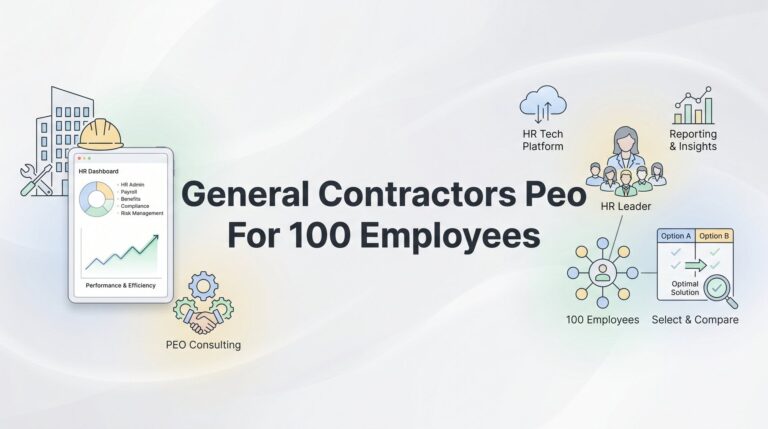
General contractors with 100 employees face a unique operational inflection point where a PEO can solve workers’ comp exposure, multi-state compliance, and benefits administration challenges—but only with the right approach. This guide outlines seven targeted strategies to help general contractors using a PEO for 100 employees maximize value, leverage their negotiating position, and avoid costly mismatches at this critical headcount tier.
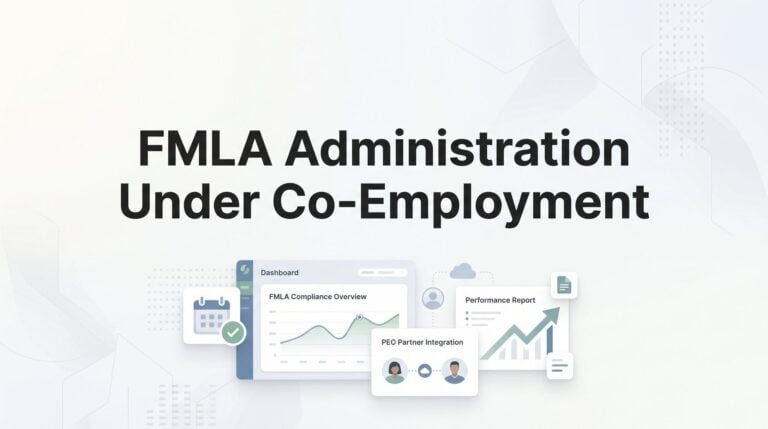
FMLA administration under co-employment creates a divided responsibility model that leaves many employers uncertain about who owns which tasks. This guide breaks down exactly how FMLA obligations are split between PEOs and client employers, clarifying what your PEO handles, what remains your responsibility, and how to prevent compliance gaps when the handoff between both parties breaks down.
A PEO termination clause risk analysis compliance framework helps business owners identify hidden contract dangers—like auto-renewal triggers, early exit fees, and vague data return policies—before they become costly problems. This guide walks through the critical termination provisions every employer should scrutinize before signing or exiting a PEO agreement.