
Forecasting long-term PEO cost volatility before signing a contract can protect your business from unexpected pricing surprises in years two through five. This guide explains how to analyze admin fee structures, health plan renewal patterns, workers’ comp adjustments, and contract language that gives PEOs discretion to reprice, so you can evaluate total cost of ownership rather than being misled by competitive year-one quotes alone.
A General Contractors PEO for 25 Employees can solve critical HR, workers’ comp, and compliance challenges without the cost of in-house staff — but only if you choose the right partner. This guide outlines seven practical strategies to help mid-sized GC operations evaluate PEOs based on construction-specific expertise, flexible pricing, certified payroll capabilities, and integration with existing job-costing software.

A PEO broker conflict analysis reveals why brokers often recommend higher-cost providers over better alternatives: most are compensated by PEO vendors, not the businesses they advise. This guide helps buyers identify hidden financial incentives, ask the right disclosure questions, and evaluate recommendations more critically before signing a PEO agreement.
A lot of teams reach the same point the same way. Payroll is getting harder, benefits questions keep landing on the CFO's…
Businesses with physical labor operations can reduce regulatory risk by implementing OSHA compliance management through a PEO, but success depends on choosing the right partner and setting up the relationship correctly. This practical walkthrough covers how to evaluate PEO safety programs, avoid common pitfalls, and build a compliance structure that protects your workforce before an inspection or incident occurs.
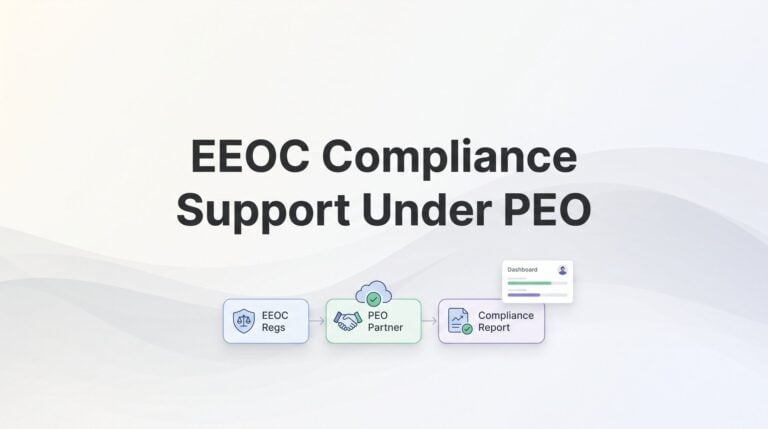
Businesses using a PEO to manage HR risk need to ensure their arrangement provides genuine EEOC compliance support under PEO agreements, not just surface-level resources. This guide outlines seven practical strategies to strengthen anti-discrimination protections, from documentation protocols to charge response guidance, helping small and mid-sized companies avoid costly EEOC complaints and stay meaningfully compliant.
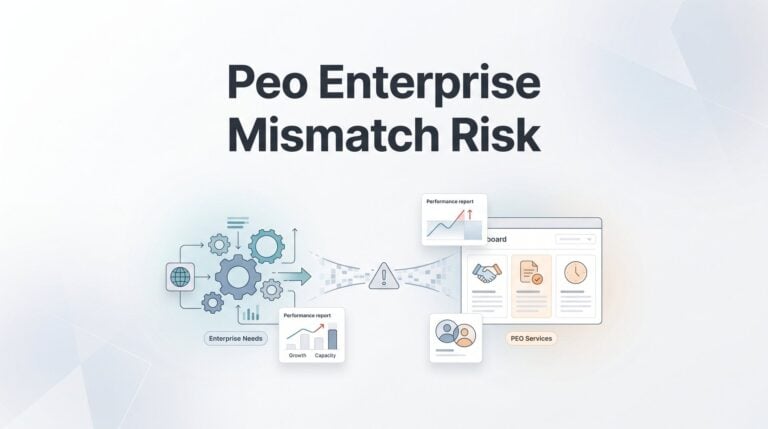
PEO enterprise mismatch risk occurs when a technically competent provider simply isn’t built for your specific business size, industry, or operational complexity—resulting in hidden costs, compliance gaps, and service failures that compound over time. This guide helps enterprise leaders identify the warning signs of a misaligned PEO relationship and understand what to evaluate before signing or renewing a contract.

PEO scaling limitations explained through real operational breakdowns — this guide details exactly where the co-employment model starts to fail as companies grow beyond 50-100 employees. From benefits configuration bottlenecks to multi-state expansion friction, business owners learn to recognize the warning signs before they’re locked into a contract that no longer fits their stage.
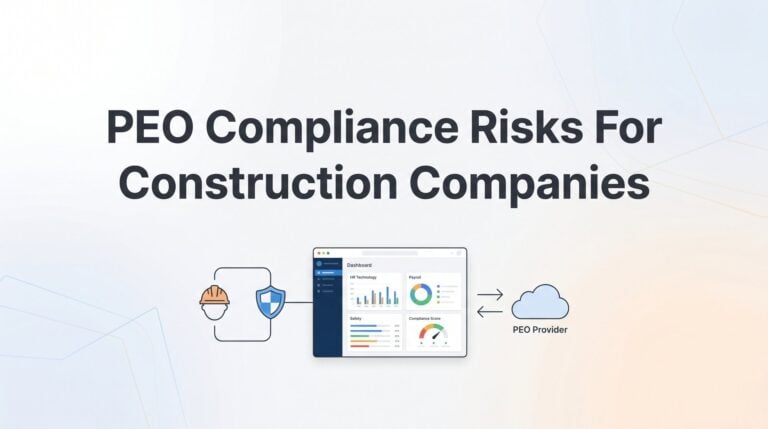
Construction companies navigating PEO co-employment relationships face compounded compliance challenges—from OSHA recordkeeping and prevailing wage obligations to workers’ comp class codes and subcontractor classification across multiple states. This guide reviews eight specialized tools that directly address peo compliance risks for construction companies, helping you reduce exposure and clarify responsibility before something goes wrong.
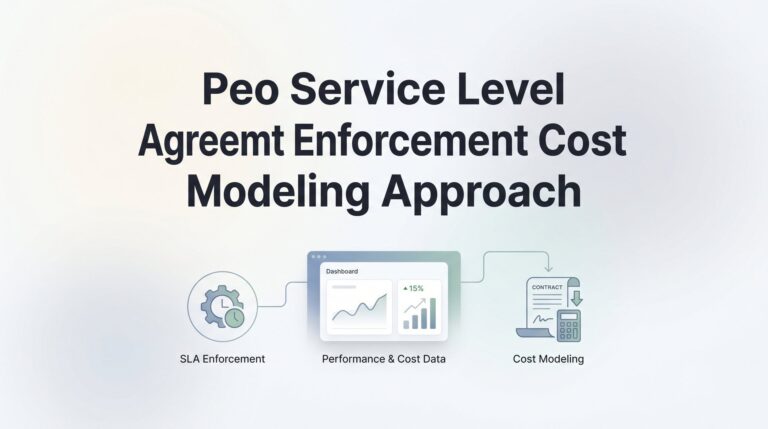
A structured PEO service level agreement enforcement cost modeling approach helps business owners quantify the true financial impact of missed SLAs — from late payroll runs to compliance failures — so they can determine which breaches are worth pursuing and negotiate from a position of informed leverage rather than frustration.

PEO hr accountability concerns are more complex than most business owners realize when signing co-employment agreements. This guide breaks down where compliance gaps actually occur — from missed deadlines to termination missteps — and what you need to monitor to avoid costly penalties, lawsuits, or employee relations problems that fall on your shoulders regardless of what your PEO contract says.
Small and mid-sized businesses often underestimate how PEO catastrophic claim exposure mitigation works in practice, assuming co-employment automatically shields them from major losses. This guide outlines seven strategies to help business owners understand coverage gaps, review contract language, and proactively structure their PEO relationship to reduce financial vulnerability from severe workplace injuries, liability events, and high-dollar claims before they become existential threats.