
A high experience modification rate above 1.0 doesn’t have to mean permanent premium penalties — the right PEO high mod rate stabilization strategy and risk mitigation strategy can accelerate your path back to competitive workers’ comp pricing. This tactical playbook walks business owners through how to structure a PEO partnership to actively reduce claims exposure, audit current loss drivers, and leverage PEO resources to rebuild a claims history that works in your favor.
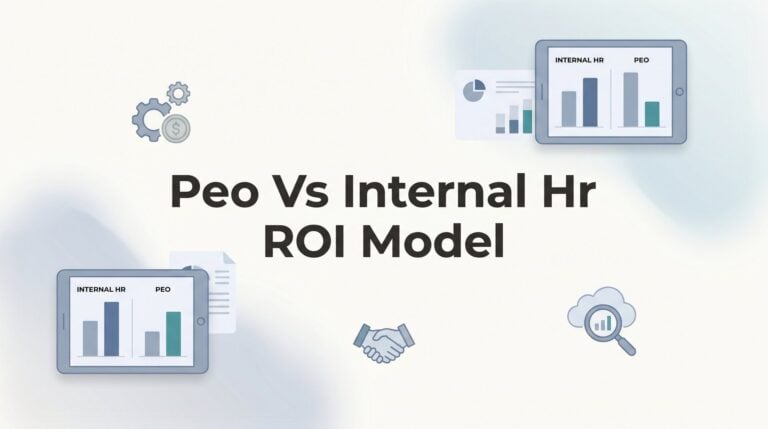
Building an accurate PEO vs internal HR ROI model requires looking beyond surface-level cost comparisons like PEO fees versus HR salaries. This guide outlines seven strategies to capture the full financial picture—including hidden labor costs, compliance exposure, and benefits procurement leverage—so businesses can make a data-driven decision based on their specific headcount, growth trajectory, and risk tolerance.
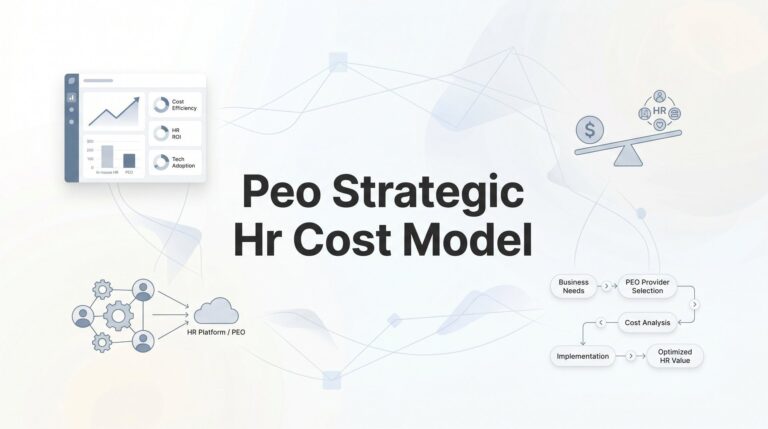
A PEO strategic HR cost model goes beyond comparing vendor quotes to reveal what HR is truly costing your business now versus under a PEO arrangement. This guide helps operators build a complete cost comparison that accounts for headcount, risk profile, benefits, and growth trajectory before signing, turning a price comparison into a genuinely strategic outsourcing decision.
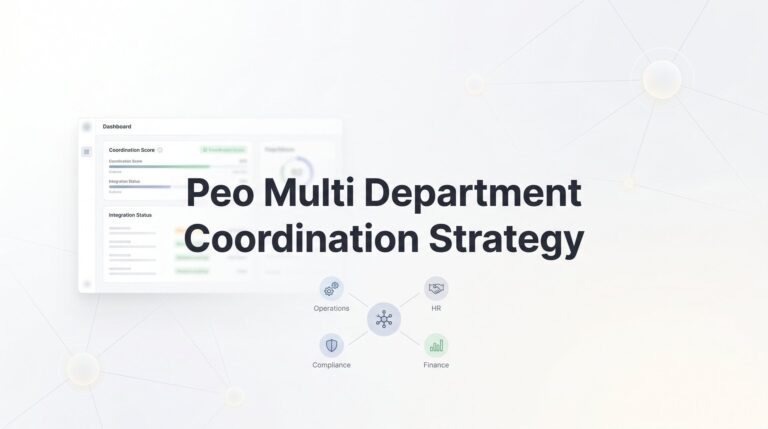
Implementing a successful PEO multi-department coordination strategy requires more than simply onboarding a provider — it demands deliberate internal alignment across finance, HR, operations, and legal. This guide outlines seven practical approaches to prevent costly gaps like misaligned pay cycles, compliance blind spots, and benefits enrollment errors that emerge when multiple departments share a single PEO relationship without clear ownership and communication protocols.
A PEO contract risk audit guide helps business owners systematically identify hidden dangers in their PEO agreements — from auto-renewal traps and liability shifts to buried pricing escalations. This step-by-step walkthrough shows HR leaders and business owners how to review every layer of their PEO contract, including master service agreements, benefit schedules, and amendments, before costly problems arise.
A PEO payroll integration savings model helps businesses quantify the true financial impact of consolidating fragmented payroll systems—tax filing, timekeeping, benefits reconciliation, and compliance—under a single co-employment structure. This framework cuts through oversimplified vendor claims to reveal where genuine cost reductions occur and how to calculate them accurately for your organization.
A PEO integration governance audit checklist is an essential ongoing operational discipline that helps businesses systematically verify their PEO is delivering on compliance, payroll, and benefits obligations—preventing costly failures like missed tax filings or benefits enrollment errors. This guide outlines seven practical strategies to build structured governance around your PEO relationship and proactively protect your business from silently accumulating risk.

The PEO enterprise cost consolidation model offers large employers a structured approach to collapsing fragmented HR vendor relationships—payroll, benefits, compliance, and workers’ comp—into a single bundled fee. This framework replaces accumulated, disconnected contracts with unified cost visibility, enabling organizations to benchmark true per-employee HR spend, leverage group purchasing power, and make data-driven decisions about their HR infrastructure.
Federal contractors using a PEO for federal contractors advanced workers comp structuring must navigate DCAA audit requirements, SCA/Davis-Bacon wage determinations, and contract-type cost flows that standard PEO pooling arrangements can undermine. This guide provides a detailed framework for structuring workers’ comp through a PEO in ways that withstand indirect cost scrutiny, preserve your experience modification rate integrity, and align with cost-plus versus fixed-price contract accountin…
Effective PEO coordination with outside counsel is critical when employment disputes arise, as misaligned legal teams can create conflicting positions and costly defense gaps. This guide outlines seven practical strategies for business owners to manage the co-employment relationship between their PEO’s internal legal team and outside attorneys, ensuring both parties work together efficiently when wrongful termination claims, wage disputes, or regulatory investigations emerge.
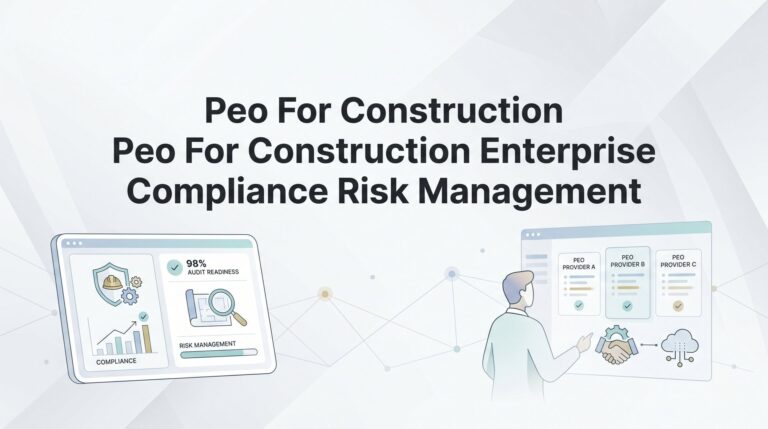
PEO for construction enterprise compliance risk management goes beyond basic HR outsourcing, addressing the complex, shifting regulatory ecosystem that multi-state general contractors face across projects, crews, and subcontractors. This analysis examines what genuinely changes—and what doesn’t—when large construction operations integrate a PEO, helping enterprise leaders make informed decisions about compliance liability and financial exposure.

A well-structured PEO for federal contractors M&A workforce integration strategy helps acquirers merge security clearances, DCAA labor categories, SCA wage determinations, and OFCCP obligations without triggering audit exposure or jeopardizing contract eligibility. This tactical playbook walks federal contractors through the specific steps to unify HR and compliance infrastructure post-close while keeping government oversight requirements intact.