
The PEO risk management legal structure operates through co-employment, where liability is strategically divided rather than fully transferred. Understanding this split is crucial because some risks transfer completely to the PEO, others are shared, and many remain with your business regardless of contract terms—making it essential to know exactly where responsibility falls when facing tax audits, workers’ comp claims, or employment lawsuits.
Business owners often discover PEO compliance litigation trends too late—when they’re unexpectedly named in lawsuits they assumed their PEO would handle. As courts refine joint employer liability interpretations and state employment laws become increasingly fragmented, understanding where risk actually exists in co-employment arrangements is critical. The key to avoiding costly compliance litigation is asking the right questions during PEO provider selection and structuring contracts that cle…
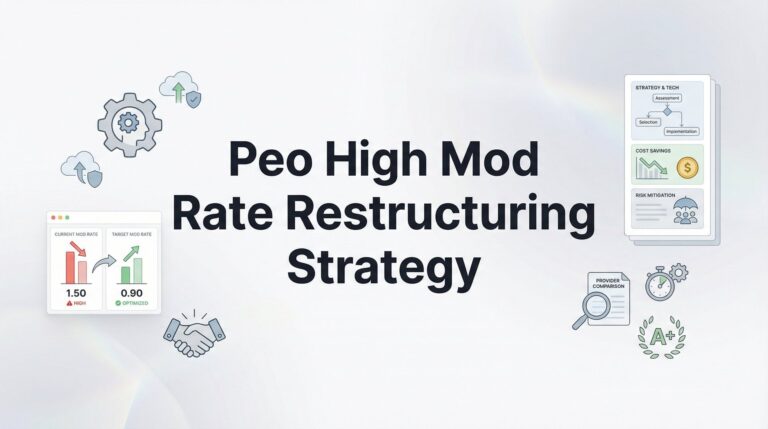
When your experience mod rate exceeds 1.0, it impacts more than insurance costs—it can force PEO contract renegotiations and limit your provider options. This guide presents seven actionable PEO high mod rate restructuring strategies that address the root causes while optimizing your arrangement, covering everything from provider switches to risk management restructuring within your current relationship.
After closing an acquisition, companies face the critical challenge of merging two different PEO relationships, payroll systems, and benefits structures without triggering costly penalties or losing key employees. This practical 6-step framework guides you through building a PEO post-acquisition integration plan that addresses everything from contract termination clauses and benefits transitions to workers’ comp rate impacts, helping you navigate the 90-day window when most expensive mistakes…
The PEO shared employer doctrine explained: a legal framework that divides employment responsibilities between your business and a Professional Employer Organization. When you partner with a PEO, both entities share employer status—you maintain operational control while the PEO handles payroll, benefits, and compliance. Understanding this arrangement is crucial for business owners to grasp liability exposure, retain management authority, and determine if a PEO partnership aligns with their op…
Workers comp audits through a PEO create unique challenges due to co-employment structures that differ from standard audits. This guide provides seven proven strategies for building a strong PEO workers comp audit defense framework, covering essential documentation practices, dispute resolution processes, and negotiation tactics that help businesses successfully challenge questionable classification codes, payroll allocations, and experience modifier calculations—potentially saving thousands …
When regulatory audits or employment lawsuits arrive, many businesses discover their PEO’s “full-service support” doesn’t include legal defense. PEO defense obligations explained: these contractual commitments determine who provides representation, covers defense costs, and pays settlements—varying dramatically between providers. Understanding these obligations before signing means the difference between comprehensive legal protection and facing six-figure bills alone when claims emerge.
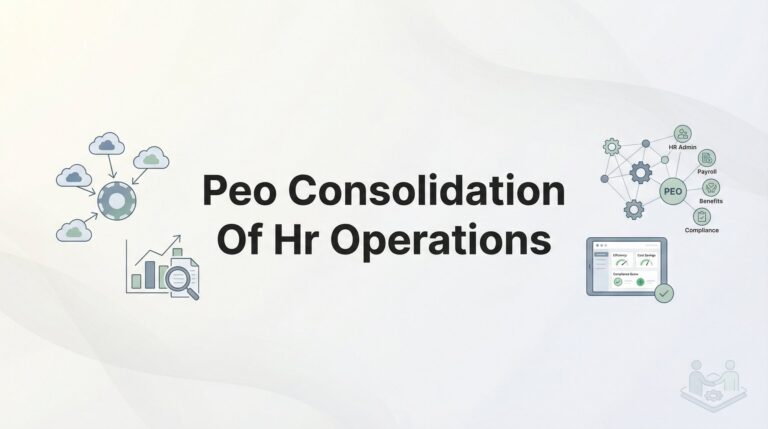
Managing HR across multiple systems creates operational chaos for growing businesses, with payroll, benefits, compliance, and employee records scattered across different platforms and vendors. This practical guide explains how PEO consolidation of HR operations can streamline these fragmented processes into a single, unified system, covering the strategic planning and honest assessment required to successfully transition from managing multiple HR relationships to working with one comprehensiv…
Acquiring an agricultural operation brings unique workforce challenges—from H-2A visa workers to multi-site field crews and paper-based payroll systems. This guide provides a step-by-step framework for using a PEO for agriculture M&A workforce integration strategy, covering the critical sequencing and agriculture-specific decisions that prevent costly disruptions during post-acquisition consolidation when timing can mean the difference between a successful harvest and losing your entire workf…
Agricultural employers face unique litigation risks that generic PEOs often fail to address, from H-2A worker compliance and piece-rate wage calculations to seasonal workforce management and equipment-specific OSHA requirements. This practical framework helps farms and agricultural operations select and implement a PEO for agriculture litigation risk mitigation that actually covers sector-specific vulnerabilities, preventing costly settlements like the $180,000 penalty one Oregon berry farm f…
Biotech companies with diverse workforces—from lab researchers to computational scientists—often overpay for workers’ comp when PEOs lump all employees into high-risk categories. This guide explains how to structure PEO workers’ comp for biotech teams by properly segmenting your workforce, negotiating experience modification rates, and avoiding classification errors that inflate premiums while ensuring comprehensive coverage for your actual risk profile.
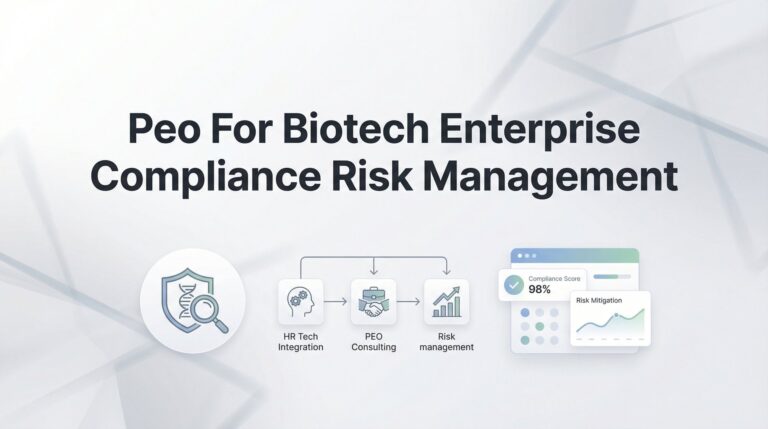
Biotech enterprises face complex compliance challenges across FDA, OSHA, EPA, and multi-state employment regulations. A PEO for biotech enterprise compliance risk management offers shared HR responsibility and professional compliance infrastructure, but the critical question is whether co-employment genuinely reduces regulatory exposure or adds complexity to your existing framework. Understanding what actually works requires looking beyond theory to practical implementation for organizations …