
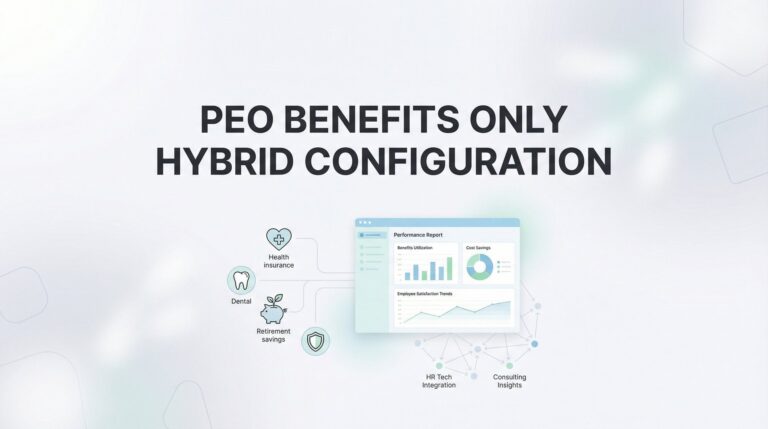
A PEO benefits-only hybrid configuration allows businesses to access enterprise-level health insurance and benefits through co-employment while maintaining their existing payroll systems and processes. This model is ideal for companies that have invested in payroll infrastructure they want to keep but need better benefits options to compete for talent—solving the common dilemma of choosing between payroll control and quality employee benefits without requiring a complete operational overhaul.
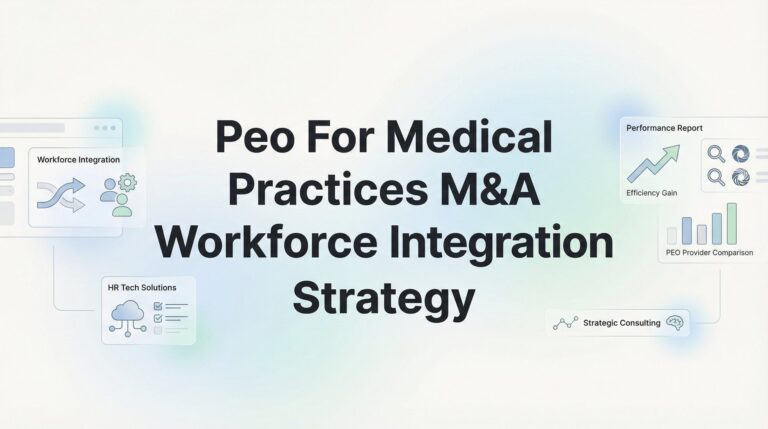
Medical practice mergers and acquisitions require specialized workforce integration strategies beyond standard M&A approaches, addressing unique challenges like clinical credentialing, specialty-specific compliance, and benefits continuity. This guide outlines seven PEO strategies for medical practices M&A workforce integration, helping buyers maintain clinical staff retention and operational continuity from Day One through long-term integration while managing the complex regulatory and cultu…
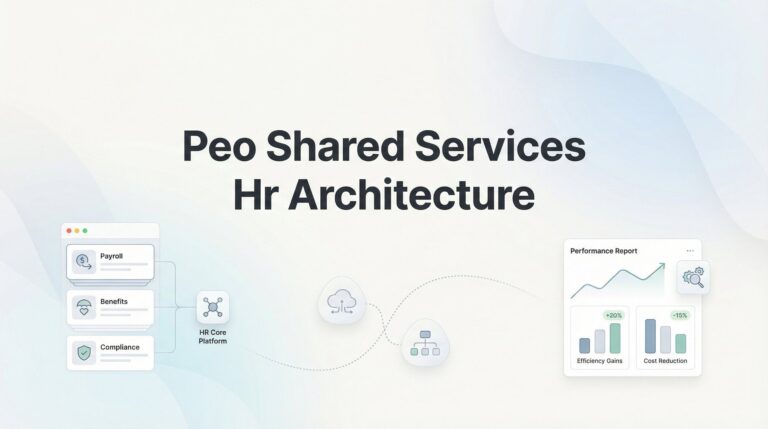
PEO shared services HR architecture means the HR team supporting your business simultaneously serves dozens or hundreds of other companies, creating a tradeoff between cost-effective access to expertise and dedicated attention. Understanding how this structure handles competing priorities and ticket queues helps you determine whether a shared services model fits your company’s operational needs, especially when urgent payroll or compliance issues arise.
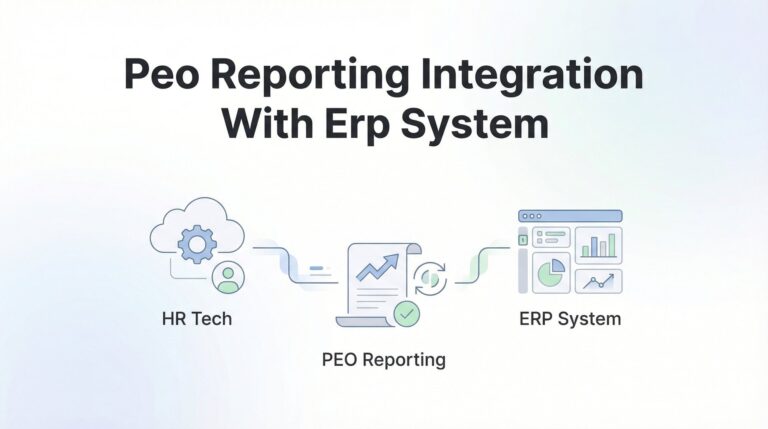
Learn how to connect your PEO’s payroll data directly to your ERP system (NetSuite, SAP, QuickBooks Enterprise, etc.) to eliminate manual reconciliation work. This practical guide covers technical integration options, implementation decisions, and common pitfalls to avoid when setting up PEO reporting integration with ERP systems—helping you automate data flow, reduce errors, and get accurate labor costs into financial reports without spreadsheet workarounds.
After an acquisition closes, HR chaos often follows immediately—payroll systems shut down, benefits terminate, and compliance gaps emerge across new states. A PEO as an interim HR solution after acquisition acts as a critical bridge, quickly taking over payroll, benefits administration, and compliance for acquired employees while you develop a long-term integration strategy, preventing disruption and buying time to merge systems properly.
High-risk businesses in construction, roofing, trucking, and manufacturing face workers’ comp rates of $5-$30 per $100 payroll, but most PEOs either reject them or charge premium rates that barely help. A strategic PEO high risk industry workers comp strategy requires understanding how to structure the relationship correctly from day one, ensuring you retain claims experience improvements and avoid being locked into unfavorable terms that prevent you from capitalizing on your safety investments.
PEO compliance representation clauses define who takes legal responsibility when regulators come knocking—not just who handles routine paperwork. Most business owners discover too late that these buried contract provisions often leave them holding liability for audits, wage claims, and agency inquiries, despite paying the PEO to “handle compliance.” Understanding what these clauses actually mean before you sign can prevent costly surprises when the Department of Labor or other agencies send t…
If your PEO has placed you in an assigned risk pool for workers’ compensation, you’re likely overpaying for coverage with limited options. This comprehensive guide explores seven practical PEO assigned risk pool alternatives that can help you escape high premiums and regain control of your insurance costs, from switching to direct coverage and captive insurance programs to improving your claims history and exploring industry-specific group plans.
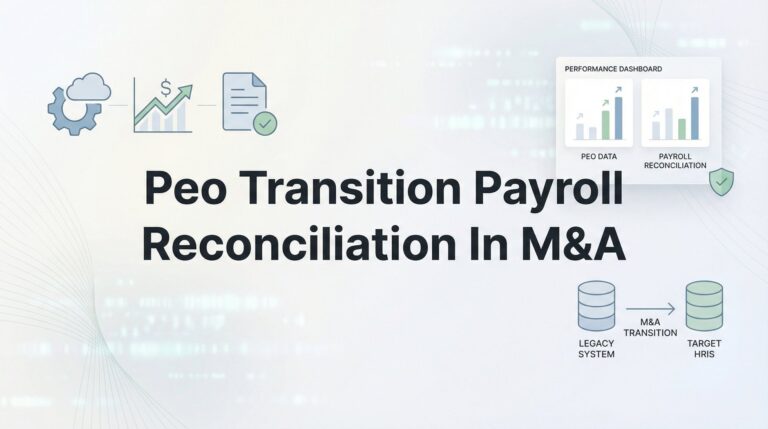
When executing PEO transition payroll reconciliation in M&A deals, you’re managing far more than a simple vendor switch—you’re merging employee records across systems, reconciling mid-year wage histories, and ensuring tax liabilities transfer correctly between legal entities. This guide provides the mechanical steps to accurately reconcile every payroll dollar, tax deposit, and employee record during acquisition-driven PEO transitions, helping you avoid W-2 corrections, tax penalties, and emp…
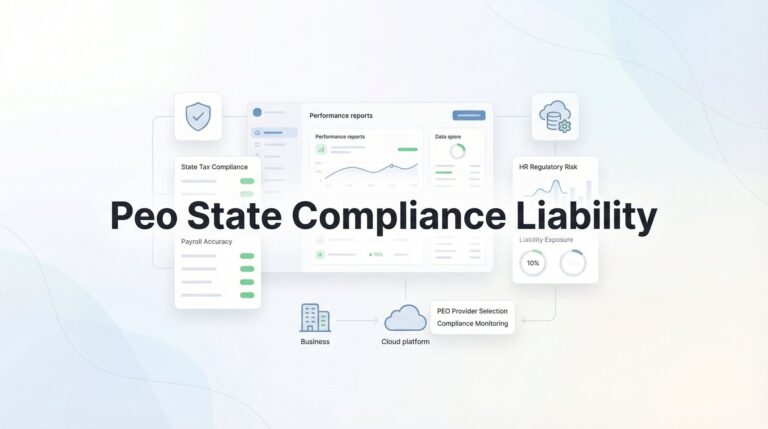
When a state compliance issue arises, many businesses discover their PEO doesn’t absorb all liability as expected. PEO state compliance liability gets divided between the PEO and client company based on contract terms, state regulations, and the specific violation type—meaning you could still face penalties even with a PEO handling your HR. Understanding this split responsibility before an audit notice arrives is critical for protecting your business from unexpected fines and legal exposure.

Before committing to a multi-year PEO agreement, proper due diligence protects you from costly surprises like hidden fees, compliance gaps, and integration failures. This comprehensive PEO due diligence checklist for buyers covers seven critical verification steps—from IRS certification to technology compatibility—that separate informed decisions from expensive mistakes discovered months after implementation.
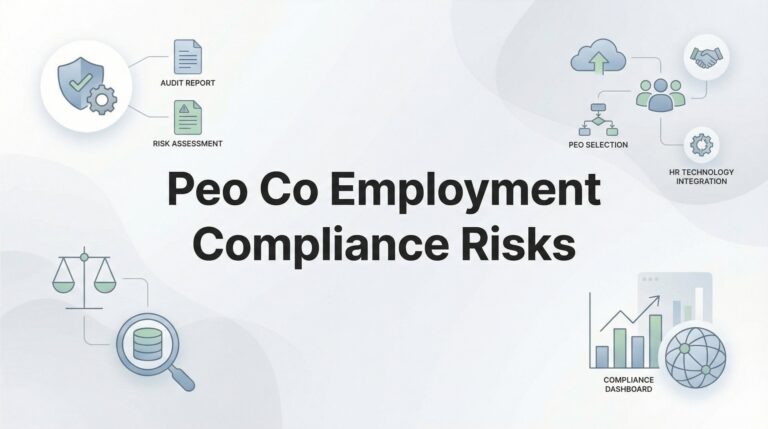
Co-employment with a PEO creates legitimate compliance concerns for business owners, but the risks are more nuanced than many fear. Understanding where your liability actually sits, what contractual protections exist, and which PEO co-employment compliance risks remain your responsibility is essential—because the wrong arrangement can leave you exposed to compliance failures that aren’t obvious until problems arise.